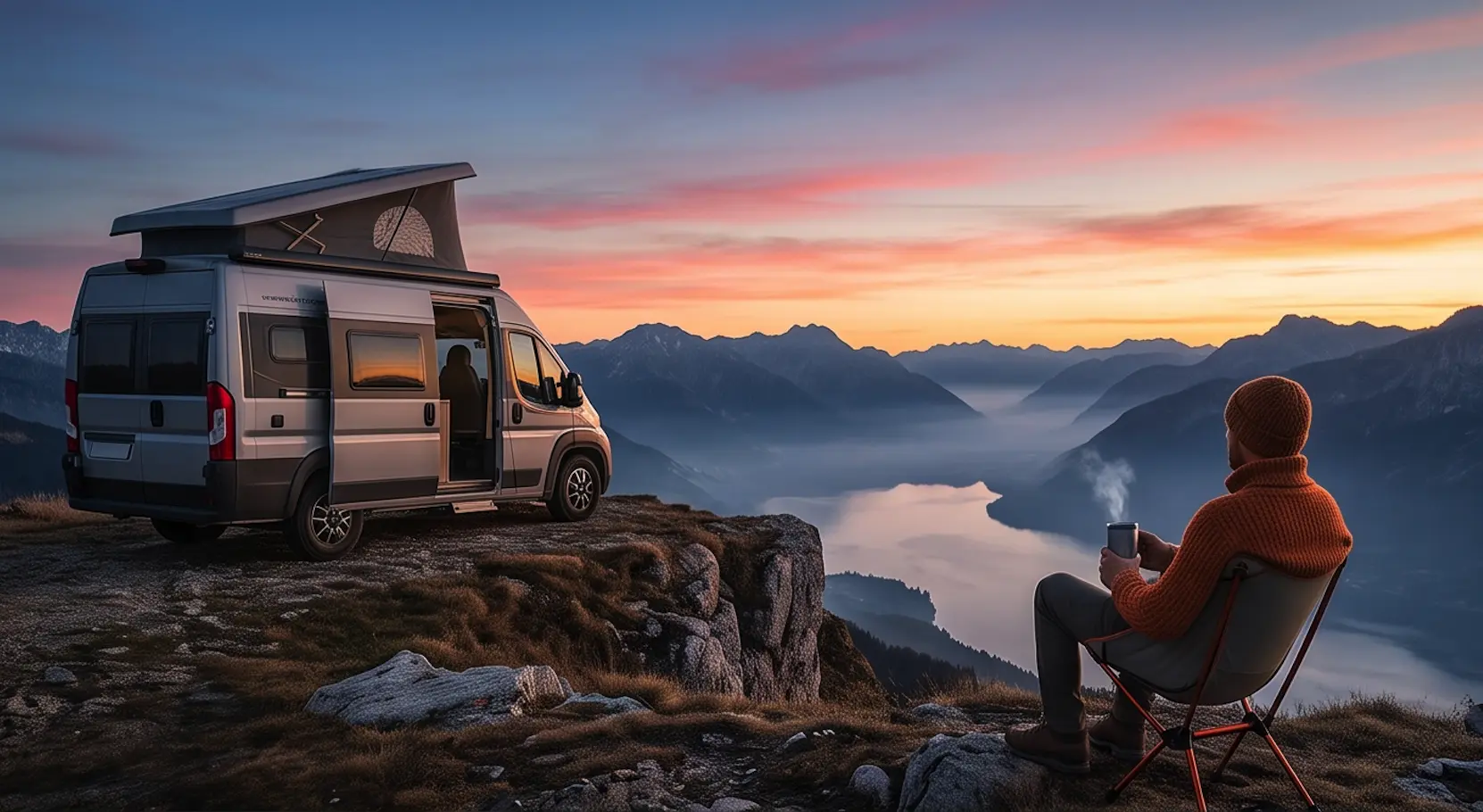
The hospitality landscape is undergoing a profound metamorphosis. For decades, the pinnacle of vacationing was characterized by marble hotel lobbies, standard rectangular rooms, and chlorinated swimming pools. Today, however, a massive shift in consumer behavior is re-writing the rules of travel. "Glamping" (glamorous camping) has evolved from a niche millennial trend into a formidable sector of the tourism industry, directly challenging the dominance of classic hotels. Here is an analysis of why travelers are trading concrete for canvas.
The Demand for Experiential Travel
Modern travelers, particularly Millennials and Gen Z, no longer view accommodation merely as a place to sleep; they demand that the accommodation *is* the destination. A standard hotel room in Paris looks remarkably similar to a standard hotel room in New York. They offer predictability, which is exactly what the modern adventurer is trying to escape.
Glamping offers unparalleled novelty. Whether it is sleeping in a transparent geodesic dome under the Northern Lights in Iceland, a luxury treehouse suspended in the canopy of a rainforest, or a meticulously restored Airstream in the desert, glamping provides a unique narrative and a profound sense of place that hotels cannot replicate.
"Glamping serves as the ultimate bridge between the untamed, authentic wilderness and the uncompromising luxury of the premium hospitality sector."
Proximity to Nature Without the Hardship
Post-pandemic tourism has seen a massive surge in the desire for open spaces, fresh air, and wellness-focused retreats. People want the mental health benefits of immersing themselves in nature, but many lack the gear, expertise, or desire to rough it in a standard camping tent.
The Luxury Factor
Glamping solves this friction point perfectly. It allows guests to fall asleep to the sound of a rushing river and wake up to sweeping mountain views, all while enjoying Egyptian cotton sheets, climate control, private en-suite bathrooms, and sometimes even a personal chef. It is the democratization of the deep wilderness experience.
Eco-Tourism and Sustainability Trends
Environmental consciousness is heavily influencing booking decisions. Traditional mega-hotels have massive carbon footprints, high water usage, and often disrupt local ecosystems during construction. Conversely, glamping is inherently geared towards eco-tourism.
Structures like yurts, safari tents, and tiny homes require minimal foundation work, preserving the natural landscape. Many glamping sites operate completely off-grid, utilizing solar power arrays, composting toilets, and rainwater catchment systems. This appeals deeply to the environmentally conscious traveler who wishes to minimize their impact while exploring the world.
The Economic Advantage for Developers
From an industry perspective, the shift makes immense economic sense. Building a traditional 50-room hotel requires tens of millions of dollars in capital, complex zoning permits, and years of construction time. In contrast, setting up a high-end glamping resort requires a fraction of the upfront capital and can be operational in a matter of months.
Because the daily rates for luxury glamping often match or exceed those of five-star hotels (due to the high demand for unique experiences), the Return on Investment (ROI) for glamping developers is significantly faster. This rapid profitability is causing major hospitality brands and independent investors alike to pivot heavily into the outdoor hospitality sector.
Ultimately, glamping is displacing classic hotels because it successfully combines the three strongest desires of the modern tourist: luxury comfort, environmental sustainability, and highly curated, authentic experiences.